

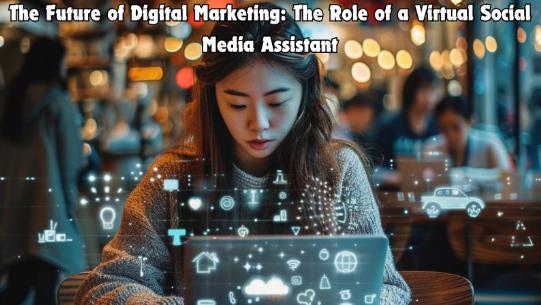
Have you ever wondered how some brands effortlessly maintain a strong social media presence while managing countless interactions and content demands? In an ever-evolving digital landscape, virtual social media assistants transform how businesses engage with their audiences. By harnessing the power of artificial intelligence, these tools streamline content creation, enhance customer interactions, and provide valuable insights. Understanding their role is essential for brands aiming to thrive in an increasingly competitive online environment.
Key Functions of a Virtual Social Media Assistant
Virtual social media assistants are not just tools; they’re digital powerhouses capable of revolutionizing your social media strategy. Here’s how they’re making waves:
Content Creation and Scheduling
Gone are the days of struggling to maintain a consistent online presence. They optimize posting times by analyzing user engagement patterns and scheduling posts for maximum impact. Additionally, virtual assistants maintain brand consistency by being programmed with your brand voice and style guidelines, ensuring every post aligns perfectly with your image.
Engagement and Interaction
Engagement is the lifeblood of social media, and virtual assistants are exceptional at maintaining a vibrant and interactive presence. They are also adept at monitoring mentions and comments across various platforms, vigilantly tracking brand conversations to capture every engagement opportunity.
Analytics and Reporting
In the digital realm, data reigns supreme, and virtual assistants are unparalleled at managing and interpreting it. They excel at processing vast quantities of social media data, distilling it into actionable insights that drive strategic decisions.
Benefits of Utilizing Virtual Social Media Assistants
The advantages of integrating virtual assistants into your social media strategy are compelling. Let’s explore the key benefits:
Cost Efficiency
In an era where every marketing dollar counts, a virtual social media assistant offers considerable financial benefits. By handling routine tasks efficiently, these assistants eliminate the need for ongoing training or benefits, which significantly reduces training expenses. Their scalable solutions enable businesses to adjust their social media management as needed, simplifying the process of scaling up or down without the complexities of hiring and layoffs. This flexibility ensures that marketing efforts remain cost-effective and adaptable to changing needs.
24/7 Availability
In the always-on world of social media, maintaining a round-the-clock presence is crucial. Virtual assistants deliver constant engagement, ensuring that global brands operating across various time zones remain active and responsive. They offer immediate responses to comments and messages, significantly enhancing customer satisfaction.
Scalability
As your business expands, so will your social media needs, and virtual assistants are equipped to scale alongside you. They handle volume spikes efficiently, managing up to 10 times more interactions than human teams during peak periods. The ease of expanding their capabilities means you can swiftly scale up operations to accommodate growing demands without the complexities of extensive hiring processes.
Source: Canva
Challenges and Considerations
While the benefits are clear, implementing virtual social media assistants isn’t without its challenges. Here’s what to keep in mind:
Integration with Human Teams
Blending AI with human expertise requires meticulous planning. A clear role definition is essential to delineate tasks between virtual assistants and human team members, ensuring that each contributes effectively to the overall strategy. Training is also critical, as human staff may need guidance on how to collaborate seamlessly with AI assistants.
Maintaining Authenticity
In a world craving genuine connections, authenticity remains paramount. It’s important to program your virtual assistant to communicate in a manner that aligns with your brand’s unique voice, preserving the authenticity of your brand’s personality. Additionally, transparency is key—inform your audience when they are interacting with a virtual assistant versus a human team member, ensuring they feel valued and understood.
Security and Privacy
With great data comes great responsibility. It’s essential to implement robust security protocols to safeguard user information, ensuring that data protection measures are a top priority. Building trust by transparently communicating your data protection practices helps reassure users and fosters confidence in your virtual assistant services.
Future Trends in Virtual Social Media Assistance
The future of virtual social media assistants is bright and full of potential. Here’s what we can expect:
AI Advancements
As AI technology continues to advance, the capabilities of virtual assistants will evolve significantly. Improvements in Natural Language Processing (NLP) will enable more nuanced and context-aware interactions, making conversations with virtual assistants more natural and effective. Predictive analytics will enhance their ability to forecast trends and user behavior, allowing for more proactive and tailored engagement strategies.
Personalization and Customization
The future of social media is personal, and virtual assistants will lead the charge. AI will create and curate hyper-targeted content tailored to individual user preferences, enhancing engagement and relevance. Virtual assistants will adopt dynamic interaction styles, adapting their communication based on user behavior and preferences to provide a more personalized experience.
Integration with Other Digital Marketing Tools
Virtual assistants won’t operate in isolation. Expect seamless omnichannel integration, ensuring coordination across all digital marketing channels. They will sync with CRM systems for a holistic view of customer interactions, enhancing personalization and efficiency. Additionally, direct links between social media engagement and e-commerce systems will streamline the buyer’s journey, making the transition from interaction to purchase smoother and more intuitive.
Practical Steps to Implementing a Virtual Social Media Assistant
Assessment and Planning
Before diving in, take stock of your current situation. Start with an audit of your social media presence to identify areas where a virtual assistant could have the most impact. Set clear goals by defining what you want to achieve with a virtual assistant. Finally, assess your team’s readiness to determine how a virtual assistant will fit into your existing workflow, ensuring seamless integration.
Choosing the Right Tools
Not all virtual assistants are created equal, so consider several factors when selecting one. Ensure the tool is compatible with your existing systems to avoid integration issues. Choose a solution that offers scalability to grow alongside your business. Prioritize features that align with your strategic goals, focusing on those most important to your needs. Opt for a user-friendly tool that your team can easily adopt and use, ensuring a smooth transition and effective utilization.
Training and Onboarding
The next step will be setting up your virtual assistant for success. Feed your assistant relevant information and guidelines about the brand so that they are aligned with the goals of your business. Run some test cases so that their performance will be perfected, thereby allowing you to adjust where necessary before full deployment. Train the human team on how to work with your virtual assistant and create an environment of collaboration.
FAQs
Is there a future for virtual assistants?
Yes, virtual assistants have a promising future as advancements in artificial intelligence and machine learning continue to enhance their capabilities. They are becoming integral in various sectors, including customer service, social media management, and personal assistance, offering increased efficiency and scalability.
Is a virtual assistant a part of digital marketing?
Yes, virtual assistants can be a significant part of digital marketing. They assist in managing social media accounts, content scheduling, engagement, and data analysis. By automating these tasks, virtual assistants help marketers focus on strategy and creative aspects, enhancing overall marketing efficiency.
What is the future of digital marketing?
Virtual assistants and other AI tools will play a crucial role in managing routine tasks, providing deeper insights, and allowing marketers to focus on creativity and strategic planning.
Conclusion
In a digital marketing space moving at runaway speed, virtual social media assistants come into their own. Such AI-driven tools offer unmatched efficiency, cost-effectiveness, and scalability—something traditional customer support could only dream of—to brands by giving them an online presence and the ability to engage their audience throughout the day. While there are challenges in terms of integration and maintaining authenticity, the benefits far outweigh these minor obstacles. With the adoption of virtual social media assistants, businesses will be better positioned to stay competitive and cater to the increasing demands of customers while their digital marketing campaigns reach new heights.
