

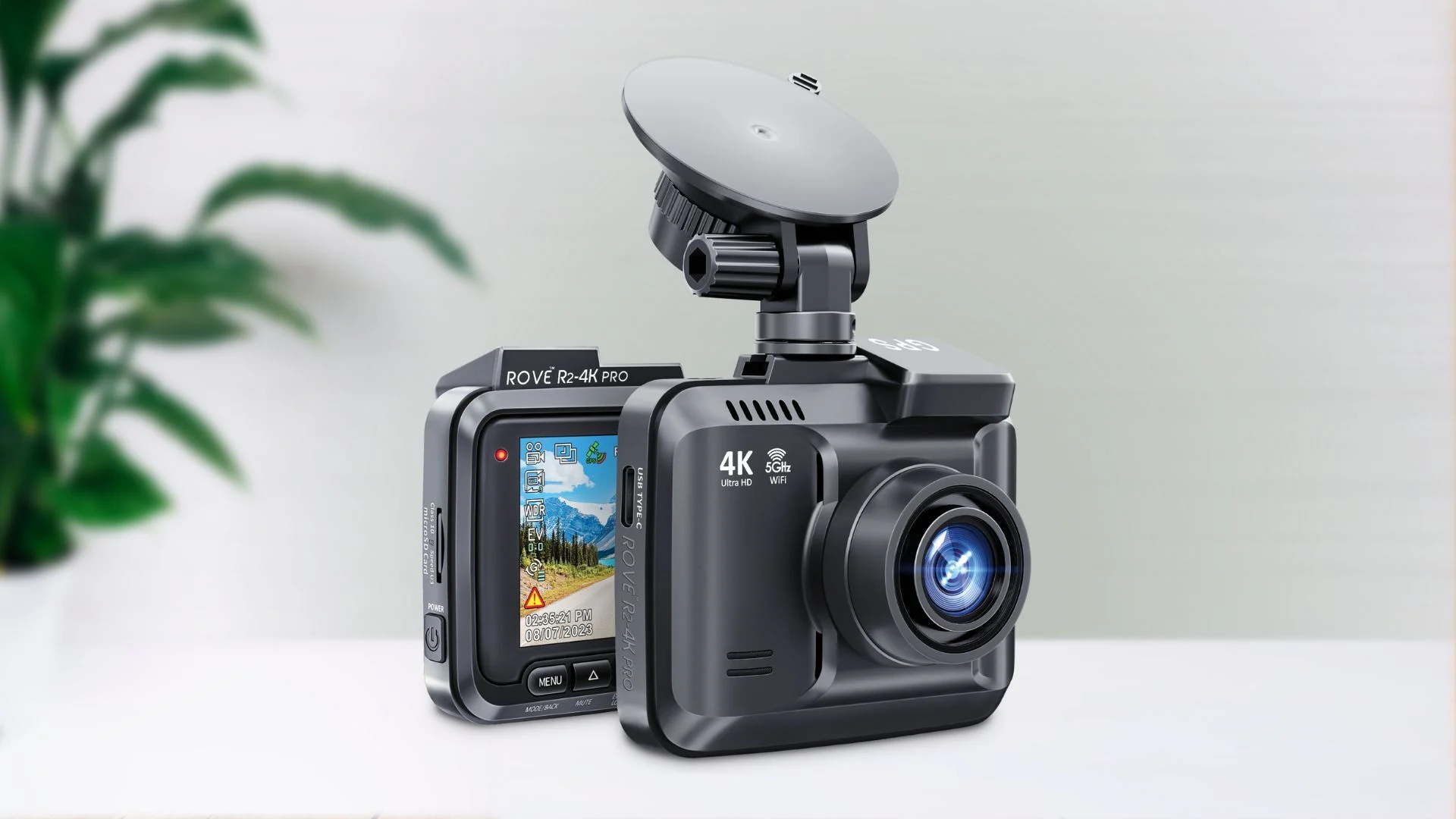
Installing a rear view camera and dash cam to your vehicle amplifies its functionality and adds comfort and convenience to your driving. Adding these small yet critical components ensures you can drive and maneuver your vehicle more efficiently without worrying about obstacles. Besides, it also promotes higher road safety and provides safe parking operations.
Though everyone agrees on the advantages of installing a rear view camera in their vehicle, they often face challenges when selecting the most appropriate one. That is why, in this blog, we will uncover the right way of choosing rear view cameras and also explore why BlackVue dash cameras are the most preferred choice of dashcams. Let us begin.
What Types of Cameras Should You Install in Your Car?
Adding cameras to your vehicle certainly adds to your vehicle’s performance and helps you ride more effortlessly and confidently. But what cameras can you purchase for your vehicle that will help you drive? Here are some suggestions:
1. Rear View Cameras
It is undoubtedly one of the best additions you can have in your vehicle, and it improves your driving comfort. The majority of modern cars are already equipped with a rear view camera. However, if you run an older model, we recommend installing it in your vehicle, making your driving easier.
2. Dash Cameras
Dash cams are the most popular types of cameras these days. Dash cams help you record the road ahead or at the back while you are driving on the road. They can be mounted on the windshield and record high-quality videos and pictures.
These cams are mostly used to document your driving and vlogging. They are highly useful in the event of an accident as they help unveil whose fault it was at the time of an accident. BlackVue dash cameras are the most prominent choice of cameras in this segment.
3. Side View Cameras
These cameras are mounted to the side mirrors of your vehicle and help monitor blind spots while driving. They are mostly used to assist with lane changes and are a valuable addition to your vehicle.
4. 360-Degree Cameras
These are also a prominent choice of cameras opted by a vast number of vehicle owners. The 360-degree cameras provide a complete view of your view from front to rear to sides, which is extremely useful while parking the vehicle and traversing through tight road stretches.
Should You Install a Rear View Camera in Your Vehicle?
Yes! The answer is as simple as that. And the reason for this strong affirmation is that a rear view camera makes driving easier and safer for drivers and people around. Reversing your vehicle and parking it in tight spots become extremely difficult without a rear view camera. Hence, by installing a rear camera, you can reverse and park your vehicle more cautiously and prevent unwanted accidents.
Factors to Consider While Choosing a Camera for Your Vehicle
There are several factors and points of consideration when choosing the ideal cameras for your vehicle. Here are some of the factors to consider:
1. Type of Camera
When purchasing a camera for your vehicle, always start by understanding your need for the camera. Whether you need the camera to record your drive or to assist you in reversing the car. Based on your needs, select the type of camera you wish to install in the car. We have already mentioned the different types of cameras you can opt for in your vehicle.
2. Video Quality of the Camera
The next important thing to consider is the video quality of the camera. Most cameras installed in the vehicle have 1080p resolution and provide decent video quality. However, this is the case for side, front, or rear cameras that help you assist while driving.
If you need a dashcam, you can select a 1080p camera or go for a camera with 2160p or higher resolution that will have improved video quality. Note that the higher the resolution, the more space storage you would require.
3. Ease of Installation
The next thing to consider is the installation time and effort for the camera you purchase. Generally, there are two kinds of cameras: wired and wireless. Wired cameras are more complex to install and take longer time to install than wireless cameras. However, they have more consistent picture quality as the wireless ones sometimes face connection issues and lag.
4. Durability of the Camera
When purchasing a vehicle camera, look out for the quality of the construction of the camera. It will help you determine the strength of the camera. If the camera is too flimsy, avoid purchasing it, as it would have a lower lifespan. Go for a camera with adequate strength that provides high durability.
5. Storage Capacity of the Camera
Storage is not an issue if you are using a camera just to assist you in driving. However, if you buy a dashcam, check for the camera’s storage capacity. A dashcam must have a good storage space so you can record without worrying about running out of space. Go for cameras with storage capacity of atleast 64GB, 128 GB, 256 GB or higher.
6. Power Rating of the Camera
Adding an external camera draws power from your vehicle’s battery. Hence, you should know the power rating of the camera you install in your vehicle. A camera with higher power ratings must be avoided so your car does not face battery issues while driving.
7. Price of the Camera
Lastly, set a budget for your vehicle camera. There are many camera options, ranging from basic to highly advanced ones. Therefore, set a budget for your camera and do not hesitate to overspend a little from your budget if the camera is worth its price.
Explore the RVS Store for Your Camera Needs!
BlackVue dash cameras and rear view cameras are ideal for enhancing the functionality of your vehicle. They assist you in driving and are also beneficial in promoting road safety and awareness. Adding them to your vehicle certainly shoots up your driving performance and is a must for your vehicle. Talk to our experts to learn more about RVS cameras.
