

1. Enhanced Customer Experience
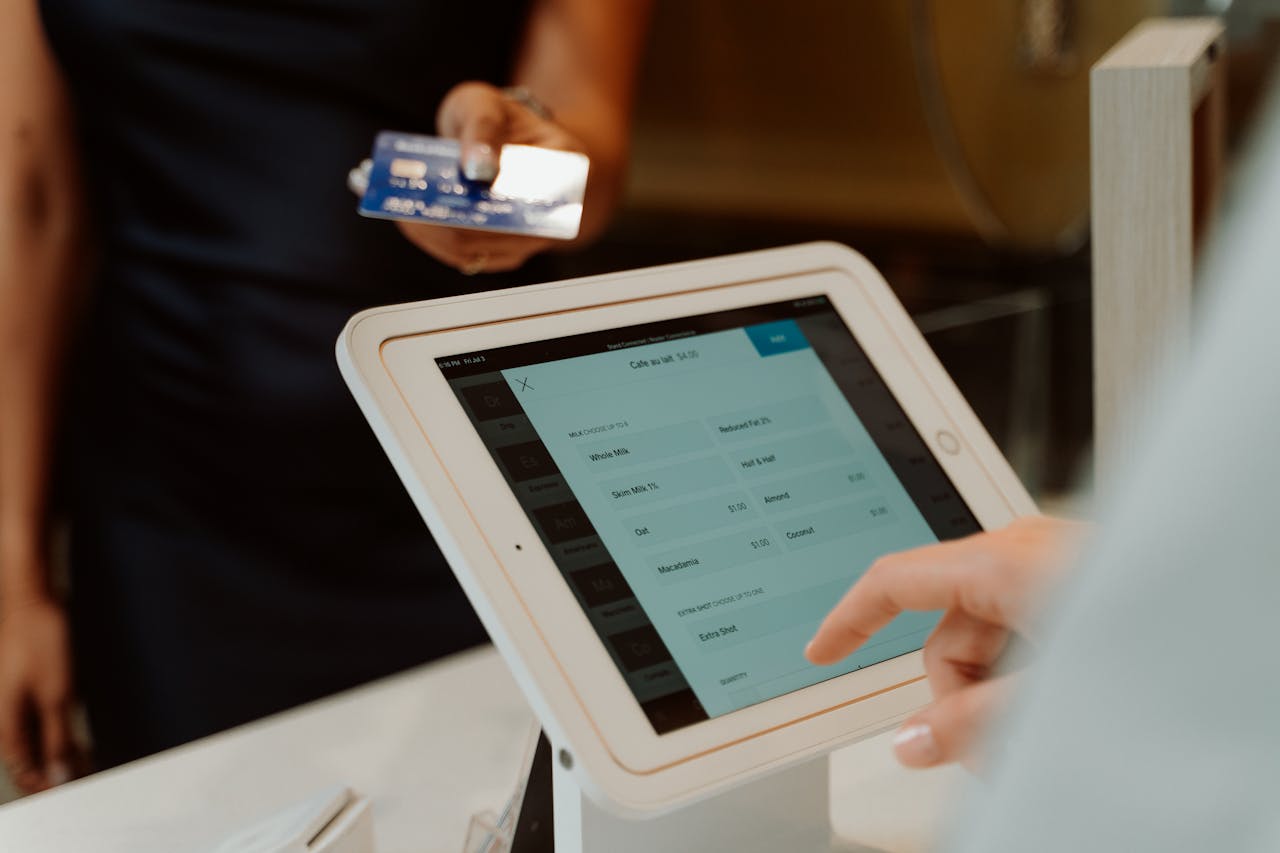
Digital ordering solutions have significantly improved the customer experience. By allowing customers to place orders through kiosks, mobile apps, or QR codes at the table, restaurants are providing more convenient and flexible ways for patrons to interact with their services. Customers can take their time to browse the menu, customize their orders, and make payments without feeling rushed. This self-service approach reduces wait times and minimizes errors, leading to greater customer satisfaction.
2. Operational Efficiency
One of the biggest advantages of digital ordering solutions is the increase in operational efficiency. These systems streamline the order-taking process, reducing the need for waitstaff to manually input orders into a point-of-sale (POS) system. This not only decreases the chances of human error but also allows staff to focus on other tasks, such as attending to customer needs and maintaining cleanliness. Furthermore, digital ordering solutions can integrate with kitchen display systems (KDS), ensuring that orders are sent directly to the kitchen, speeding up preparation times and improving order accuracy.
3. Data-Driven Insights
Digital ordering platforms provide restaurants with valuable data on customer preferences and purchasing behaviors. By analyzing this data, restaurants can tailor their offerings, optimize menu design, and create targeted marketing campaigns. For instance, if a particular dish is frequently ordered, a restaurant might highlight it in promotions or develop similar items to meet customer demand. Additionally, understanding peak ordering times can help in staffing and inventory management, ensuring that the restaurant is well-prepared for busy periods.
4. Increased Revenue Opportunities
With digital ordering solutions, restaurants can easily implement upselling and cross-selling strategies. For example, when a customer places an order through a kiosk or app, the system can suggest additional items or upgrades, such as adding a side dish or choosing a premium beverage. This automated suggestion system can lead to higher average order values. Additionally, digital loyalty programs integrated with these solutions can encourage repeat visits and boost customer retention.
5. Adaptation to Changing Consumer Preferences
The COVID-19 pandemic has accelerated the adoption of digital ordering solutions as consumers seek contactless and safer dining experiences. Restaurants equipped with these technologies were able to quickly adapt to new health and safety guidelines, offering contactless payment options and minimizing physical interactions. This flexibility has allowed many establishments to continue operating despite challenging circumstances and has set a new standard for the future of dining.
6. Environmental Impact
Digital ordering solutions also contribute to a more sustainable restaurant industry. By reducing the need for printed menus and receipts, restaurants can minimize their paper waste. Additionally, digital systems can help manage inventory more effectively, reducing food waste by ensuring that ingredients are used efficiently and in a timely manner.
Conclusion
The integration of digital ordering solutions in the restaurant industry is more than just a trend; it is a fundamental shift that is reshaping how businesses operate. By enhancing customer experience, improving operational efficiency, providing valuable data insights, increasing revenue opportunities, adapting to consumer preferences, and promoting sustainability, these technologies are revolutionizing the restaurant landscape. As the industry continues to evolve, embracing digital ordering solutions will be crucial for restaurants aiming to stay competitive and meet the ever-changing demands of their customers.
