

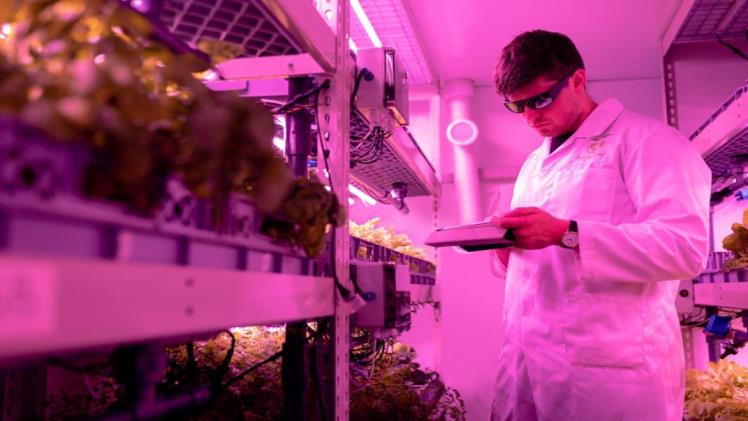
Agricultural science is a broad field that combines biology, technology, and environmental science to improve farming and food production. With the world’s growing population and the increasing demand for sustainable and efficient food sources, agricultural science is more important than ever.
Graduates with a degree in agricultural science have a wide range of career opportunities available to them. These careers not only offer good salaries but also allow individuals to make a positive impact on society and the environment.
So, let’s delve into the first five exciting career paths that you can pursue with a degree in agricultural science:
-
Agricultural Consultant
Agricultural consultants play a crucial role in advising farmers and agribusinesses on how to improve their practices and increase productivity. They provide expert advice on:
- Crop Management
- Soil Health
- Pest Control
- Sustainable Farming Techniques, etc.
To become an agricultural consultant, you need a strong background in agricultural science and excellent problem-solving skills. Good communication skills are also essential, as you will be working closely with farmers and other stakeholders. The earning potential for agricultural consultants can be quite high, especially for those who work independently or for large consulting firms.
-
Farm Manager
Farm managers are responsible for the day-to-day operations of farms. This includes:
- Overseeing Crop Production
- Managing Staff
- Maintaining Equipment
- Meeting Farm Production Targets, etc.
A farm manager needs a thorough understanding of agricultural practices and good management skills. Practical experience is often just as important as formal education, so internships and hands-on training can be very beneficial.
Salaries for farm managers vary depending on the size and type of farm, but the potential for a high income is there, especially with larger operations. With a bachelors of agriculture from a reputed university, the right skills, and relevant experience, you can move up to managing multiple farms or larger agricultural businesses.
-
Agricultural Engineer
Agricultural engineers design and develop equipment and technology to improve farming efficiency and sustainability. They work on projects like:
- Irrigation Systems
- Machinery
- Structures for Support Agricultural Activities, etc.
To become an agricultural engineer, you need a degree in agricultural or biological engineering. Strong analytical skills and creativity are essential for developing innovative solutions to farming challenges.
Agricultural engineers typically earn a good salary, and there are many opportunities for career advancement. You can work for private companies or government agencies or even start your own consulting business. The demand for sustainable and efficient farming practices ensures a steady need for skilled engineers in this field.
-
Soil & Plant Scientist
Soil and plant scientists study the composition and health of soil and plants to improve agricultural practices. They conduct research to develop better ways to:
- Grow Crops
- Manage Soil Health
- Protect Plants from Diseases and Pests, etc.
A career as a soil and plant scientist requires a strong background in biology and chemistry, as well as research skills. The earning potential for soil and plant scientists is good, with opportunities to work in academia, government, and the private sector. This career path also allows you to make significant contributions to sustainable agriculture and food security.
-
Food Scientist & Technologist
Food scientists and technologists work to improve the quality, safety, and nutrition of food products. Responsibilities of a food scientist include:
- Developing New Food Products
- Conducting Quality Control Tests
- Ensuring Safety Standards, etc.
A degree in food science or a related field is necessary for this career. Attention to detail and strong analytical skills are crucial, as you will be conducting tests and analyzing data.
The salary for food scientists and technologists is competitive, and there are many opportunities for advancement. This career also offers the chance to contribute to public health and innovation in the food industry.
-
Agribusiness Manager
To become an agribusiness manager, you need a good understanding of both agriculture and business. Agribusiness managers oversee the business aspects of agricultural production. This can include:
- Managing Financial Records
- Marketing Farm Products
- Negotiating Contracts
- Planning Long-Term Business Strategies, etc.
They work to ensure that the business side of farming runs smoothly and profitably. The salary for agribusiness managers can be quite lucrative, especially for those managing large operations. There are also many opportunities for career growth, such as moving into higher management positions or starting your own agribusiness.
-
Agricultural Sales Representative
Agricultural sales representatives sell products and services to farmers and agricultural businesses. This can include:
- Seeds
- Fertilizers
- Equipment
- Technology Solutions, etc.
To succeed as an agricultural sales representative, you need strong sales and communication skills. A background in agricultural science is helpful to understand the products and the needs of your clients. Building good relationships with customers is key to success in this role.
The earning potential for agricultural sales representatives is often commission-based, meaning that your income can increase significantly with good sales performance. This career also offers flexibility and the opportunity to work with a variety of clients and products.
-
Environmental Consultant
Environmental consultants help businesses and governments minimize their impact on the environment. In the agricultural sector, they work on projects like:
- Managing Waste
- Conserving Water
- Reducing Pollution
- Energy Conservation, etc.
To become an environmental consultant, you need a strong background in environmental science and agriculture. Analytical skills and the ability to conduct thorough research are important. Good communication skills are also essential, as you will be presenting your findings and recommendations to clients.
Salaries for environmental consultants can be high, especially for those with experience and specialized knowledge. There is also a growing demand for professionals in this field due to increasing environmental regulations and the push for sustainable practices.
-
Agricultural Policy Analyst
Agricultural policy analysts study and develop policies related to agriculture. They work for government agencies, think tanks, and non-profit organizations. Their job is to:
- Analyze Data
- Conduct Research
- Provide Recommendations on Food Security, Trade, etc.
To become an agricultural policy analyst, you need a degree in agricultural science, economics, or political science. Strong research and analytical skills are crucial, as well as the ability to communicate complex information clearly.
Let’s Wrap Up
Agricultural science offers a wide range of exciting and rewarding career opportunities. From consulting and management to engineering and research, there are many paths you can take with a degree in agricultural science. Each role offers unique challenges and the chance to make a positive impact on society and the environment.
As the demand for sustainable and efficient food production continues to grow, the need for skilled agricultural professionals will only increase. Whether you are interested in working directly with farmers, developing new technologies, or influencing agricultural policies, there is a career in agricultural science that is right for you.
