

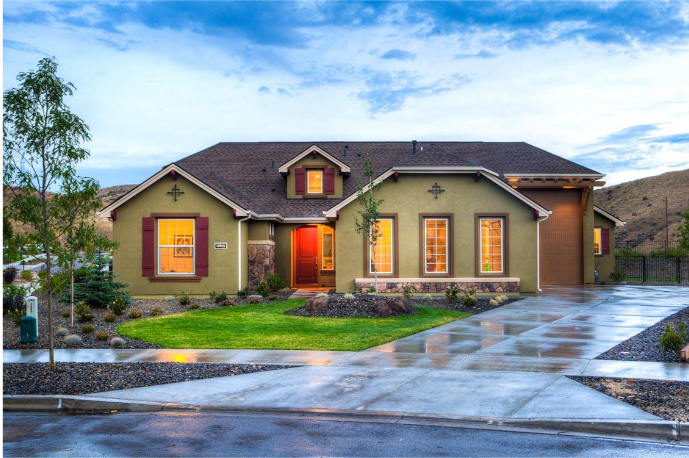
Choosing the right paint colors for your home’s exterior can be challenging. The right colors not only enhance curb appeal but also offer protection and longevity to your home. The exterior paint color significantly impacts how your house is perceived and can even affect its market value. This guide provides practical tips and considerations to help you choose the perfect exterior paint colors for your home.
- Understanding Color Basics
To make an informed decision, it is essential to understand the basics of color theory. Primary colors—red, blue, and yellow—are the foundation. Secondary colors are created by mixing primary colors: green, orange, and purple. Tertiary colors come from mixing primary and secondary colors.
Understanding how colors interact with light and each other is crucial. For example, colors can appear different under varying lighting conditions. Natural light brings out the true colors, while artificial lighting can alter their appearance. Knowing these basics will help you choose colors that look great in all conditions.
- Consider Your Home’s Style
The architectural style of your home plays a significant role in selecting the appropriate paint colors. Different styles have traditional color palettes that enhance their unique features. For example, a modern home often looks best with neutral tones, while a Victorian home can handle more vibrant, bold colors.
With help from Warner Exteriors and Solar, you can find the best colors for your home’s architectural style. Their expertise in exterior design can guide you towards a color scheme that highlights your home’s unique characteristics and fits the overall aesthetic.
- Assess Your Surroundings
Your home doesn’t exist in a vacuum. The surrounding environment should influence your color choices. Look at the neighboring houses and the natural landscape. Choose colors that complement rather than clash with your surroundings. This creates a harmonious look that blends well with the environment.
If your home is in a neighborhood with traditional styles and colors, opting for a bold, modern color may look out of place. Similarly, consider the natural elements like trees, gardens, and nearby bodies of water. The colors you choose should enhance these elements, not compete with them.
- Climate and Weather Considerations
Climate plays a crucial role in your exterior paint color decision. Light colors reflect heat and are more suitable for warmer climates, helping to keep your home cool. Dark colors absorb heat and are better suited for cooler regions, as they help retain warmth.
Additionally, consider the weather patterns in your area. Homes in rainy or coastal areas may benefit from darker shades that hide stains and wear better over time. In contrast, lighter colors can fade quickly under intense sunlight, making them less ideal for sunny regions. Selecting the right color based on your climate ensures the paint lasts longer and maintains its appearance.
- Test Colors Before Committing
Never commit to a paint color without testing it first. Purchase small samples of the colors you are considering and apply them to a small section of your home’s exterior. Observe these test patches at different times of the day to see how the color looks under various lighting conditions.
Colors can look very different depending on the time of day and the angle of the light. Testing helps you understand how the color will truly appear once applied to the entire house. It’s a small step that can save you from making a costly mistake and ensures you’ll be happy with the final result.
- Harmonize with Existing Elements
When selecting exterior paint colors, it’s important to consider the existing elements of your home. The roof, driveway, brick or stone accents, and landscaping all play a part in your home’s overall appearance. Choose paint colors that harmonize with these elements for a cohesive and appealing look.
For example, if your roof has a warm tone, such as brown or red, consider paint colors that complement these hues, like warm beige or terracotta. If your home has a grey or blue-toned roof, cooler shades of paint, like slate or soft blue, might work better. By considering the existing features of your home, you can create a balanced and harmonious color scheme that enhances its overall aesthetic.
- Using Color Accents
Using accent colors is an effective way to add personality and charm to your home. Accents can be applied to doors, shutters, trim, and other architectural details to create visual interest. Bold colors for accents can make these features stand out without overwhelming the primary color of the house.
For instance, a bright red or blue front door can become a focal point and add a welcoming touch to your home. Shutters in a contrasting color can also draw attention to windows and enhance your home’s character. When choosing accent colors, consider shades that complement the main color and harmonize with the overall style of your home.
- Think About Future Trends
While it might be tempting to choose trendy colors, it’s often wiser to opt for timeless shades that won’t look dated in a few years. Trends come and go, but classic colors tend to have more staying power and can keep your home looking fresh for longer.
Neutral colors like white, beige, grey, and navy are safe bets that never go out of style. These colors provide a sophisticated and elegant look that can appeal to a broad range of tastes. If you want to incorporate trends, consider using them in smaller, less permanent ways, such as through accents or easily changeable elements like front doors or shutters.
- Quality Over Quantity
Investing in high-quality paint is crucial for achieving the best results. High-quality paint provides better coverage, durability, and resistance to weather conditions. It may cost more upfront, but it will save you money in the long run by lasting longer and requiring fewer touch-ups.
When choosing paint, look for brands known for their quality and longevity. Consider the specific needs of your home and climate, and select paints designed to withstand those conditions. High-quality paint ensures that your home looks great for years to come and protects it from the elements.
Conclusion
Choosing the right exterior paint colors requires careful consideration of various factors. By understanding color basics, considering your home’s style, assessing your surroundings, and testing colors, you can make informed decisions that enhance your home’s appearance. With the right choices, your home will not only look beautiful but also be protected and valued for years to come.
