

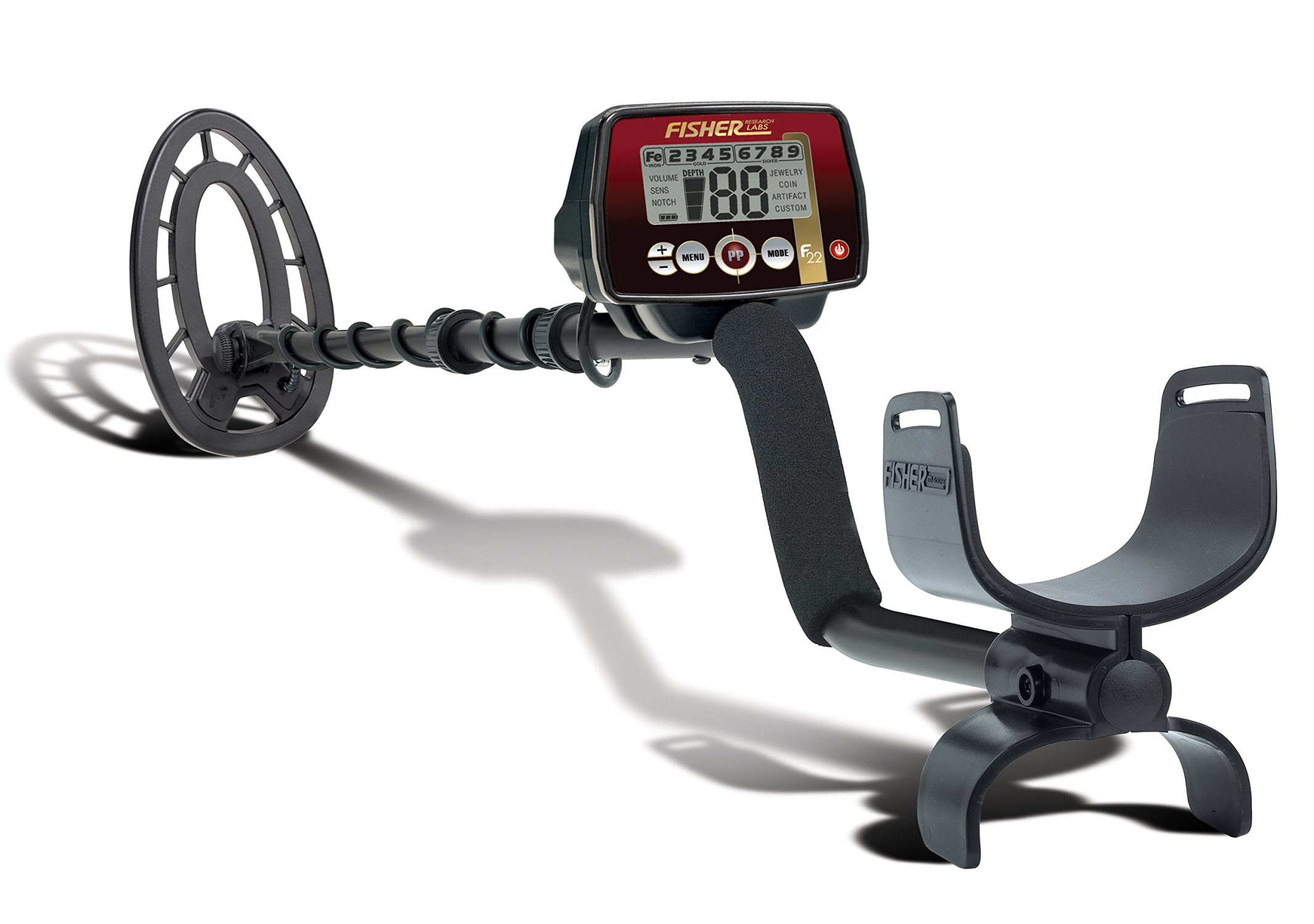
Have you ever dreamt of uncovering hidden treasures right beneath your feet? Metal detecting is a fascinating hobby that turns this dream into reality, making every outing an adventure. Whether you’re hunting for historical relics, lost jewelry, or coins, choosing the right metal detector is essential, especially for beginners. Let’s go through the five key features to look for in a beginner metal detector. These features will ensure your first foray into metal detecting is both successful and enjoyable.
User-Friendly Interface
As a beginner, you want to spend your time hunting for treasures, not wrestling with complicated equipment. That’s why a user-friendly interface is crucial. Look for metal detectors with large display screens that clearly show important information like battery life, depth, and detection mode. Intuitive buttons and clear, easy-to-understand instructions can make a huge difference, allowing you to focus on the hunt rather than the setup. Get one online with a user-friendly interface from companies like Detector Power.
Lightweight and Ergonomic Design
Metal detecting often involves long periods of walking and scanning, so having a detector that’s comfortable to use is vital. Consider models with an adjustable shaft, which allows you to customize the detector’s length to your height. Padded grips can reduce strain on your hands, and a lightweight design helps you avoid fatigue, letting you enjoy your treasure hunting adventures longer.
Adjustable Sensitivity and Discrimination Settings
Sensitivity and discrimination settings help you fine-tune your detector to ignore unwanted metals and focus on valuable finds. Sensitivity settings adjust the detector’s ability to pick up on different types of metals. Higher sensitivity can detect smaller or deeper objects. Discrimination settings allow you to filter out junk metals like iron and aluminum, so you spend more time digging up treasures and less time dealing with trash.
Depth Indicator
Knowing how deep an object is buried can significantly enhance your metal detecting efficiency. A depth indicator gives you an estimate of how far below the surface a detected object is located. This feature is particularly useful for beginners, as it helps you decide whether a find is worth digging for. It can save you time and effort, making your treasure hunts more productive.
Battery Life and Power Options
The significance of battery life cannot be overstated, especially for prolonged metal detecting sessions. Look for models with long-lasting batteries, rechargeable options, and energy-saving modes. You don’t want to cut your adventure short because of a dead battery. Detectors with efficient power usage will keep you hunting longer and make your outings more enjoyable.
Tips to Take Care of Your Metal Detector
The hard work doesn’t stop once you’ve acquired a metal detector. Making this investment means that you want to take care of your equipment, ensuring that it can last for many years and you can have fun with it. Not only will you ensure longevity, but you will also guarantee that your metal detector is performing at its best every time you use it. Here are some simple tips to keep your metal detector in the best condition.
Clean After Every Adventure
While you might be tired from being out on an adventure all day, what you must ensure you do is clean your metal detector. It’s likely to be covered in dirt and dust, which you don’t want to become compacted onto it. Always ensure you clean it once you get home. This doesn’t have to be anything complicated. Simply take a damp cloth for most of the detector, such as around the control box and shaft. Just ensure that you don’t soak any parts that could be vulnerable to water.
Charge the Battery
Next, you’ll want to charge the batteries of your metal detector. Some studies suggest that you shouldn’t drain the battery completely. Instead, charging in small sessions can be better for longevity. So, whether you’ve been out all day searching or just using it for an hour or two, charge the battery so it’s ready for the next time you use it. If you’re not going to be using your detector any time soon, it’s best to remove the battery.
Store Properly
After a long day, it’s tempting to just throw your metal detector into a corner and relax. But, taking some time to properly store your equipment will pay off. In particular, choose a spot in your home where it’s cool and dry. Avoid direct sunlight and anywhere that it gets too hot. It’s recommended to get a carrying case for protection and it makes it easier to keep all of the parts together if you’re dismantling it.
Conclusion
Choosing the right metal detector as a beginner can make all the difference in your treasure hunting adventures. To recap, prioritize a user-friendly interface, lightweight and ergonomic design, adjustable sensitivity and discrimination settings, a depth indicator, and long-lasting battery life. These features will ensure you have a positive and productive start to your metal detecting journey. Don’t forget to consider weatherproofing and warranty options for added peace of mind.
