

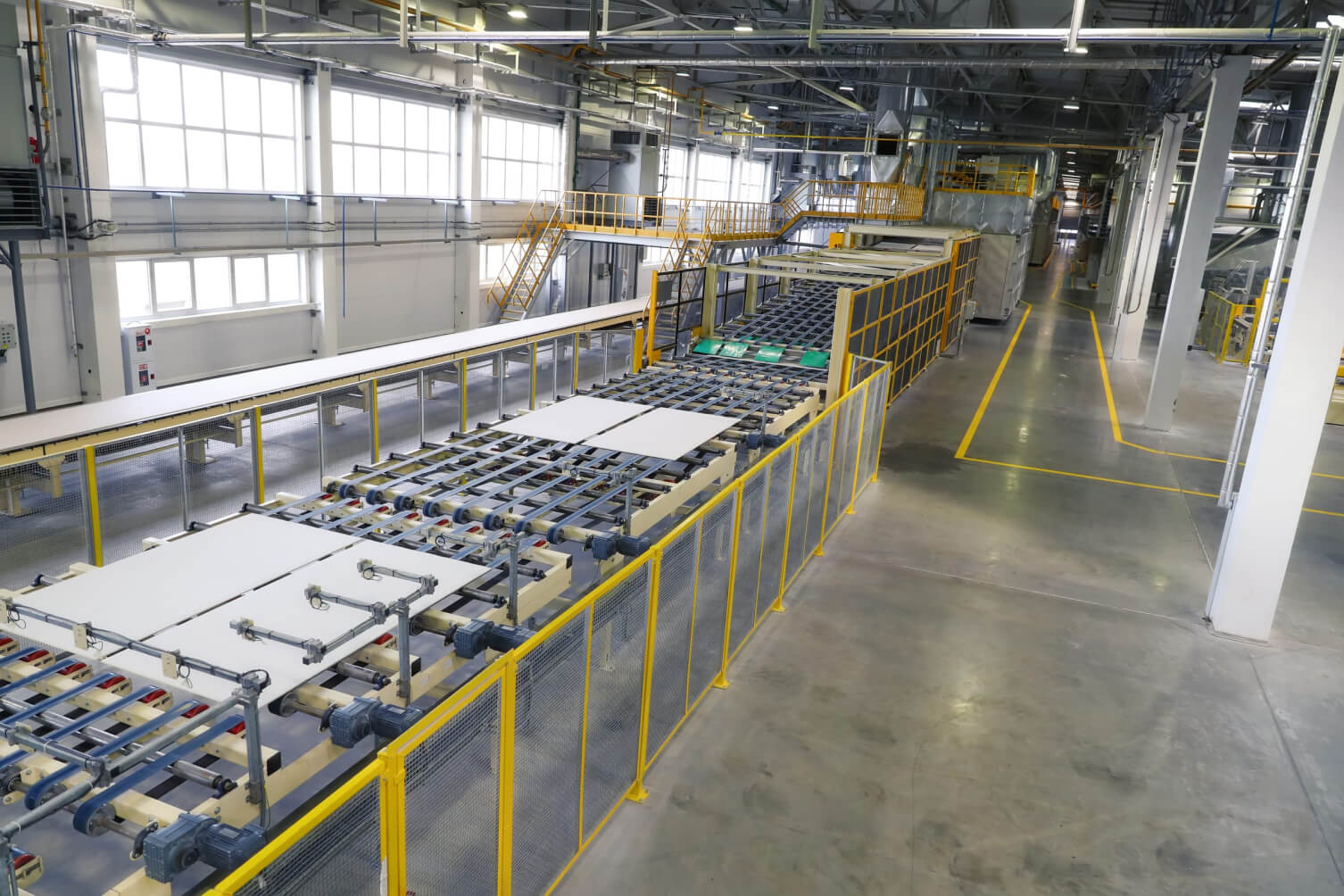
Sonic air systems are revolutionizing industrial drying and cooling by being efficient and cost effective sources of heat. These systems use high velocity low pressure air flows for drying and cooling in a number of ways, and provide fast and even distribution all around. Apart from enabling power conservation the technology also ensures the value of the final product to be high through standardization. Companies from the food processing to automotive industries are now reportedly experiencing enhanced operation efficiency as a result of sonic air systems’ preciseness and flexibility.
Sonic air systems have the following benefits: One of the obvious benefits is that it reduces drying and cooling time equally well without negative impacts. Past practices generally entail the use of heat or cold treatment which takes a lot of time and hence may be inconsistent and energy costly. Sonic air systems however, use sophisticated air speeds that enhance the drying as well as the cooling mechanisms in a bid to get the best out of the products within the shortest time possible and in equal cycles. Reduced processing time is another advantage for the industries that results in efficient consumption of energy and increased production rates.
Furthermore, one might note the following beneficial impacts of acoustic systems: they help save millions of dollars on maintenance and produce longer-wearing equipment. Since sonic air technology is a non-contact technology, there are considerably less stresses on machinery; this results in reduced breakdowns and hence, a lower maintenance cost. Moreover, it is accurate in drying and cooling the products specifically, thus making the utilization of resources efficient and effective. As industries persist in looking for environmentally friendly and economical ways to improve the processes of drying and cooling, the use of a sonic air system is a smart solution for the future.
Thus, integrating sundry air systems into industrial use also fit into the environmental sustainability standards. They include systems that decrease the usage of energy and enhance the process effectiveness in the manufacturing environment, therefore reducing greenhouse gas emissions.
Increased Efficiency
In an industrial context, efficiency is defined as a system or process capacity that delivers the aim of that system in using the least amount of inputs like time, energy and material. An effective systems approach thus optimizes the function in terms of the amount of output for the amount of input. Sonic air systems increase productivity due to the application of fast moving air of low pressure in drying or cooling products. This results in decreased processing time and better utilization of energy so that industries can increase the rate of production without proportionately increasing the consumption of the existing resources.
Reduced Energy Consumption
Less energy use implies the levels of energy needed in an equipment or to undertake a process is cut down. This could be the case in adopting technologies that are more efficient, improving on process technology, or designing durably in order to employ minimal energy. Sonic air systems also aim at directing the diffusion of air and pressure hence requiring a lot less energy than conventional systems. Applying these systems, energy used in the drying and other cooling processes is minimized due to the use of high levels of aerodynamics, hence lower utility bills and conserving the environment.
Uniform Drying and Cooling
Each of the two relate to the process of applying heat or cold to a product or material and ensuring that all consistent areas of it receive an equal amount of heat or cold, respectively. This aspect is essential in ensuring homogeneity, especially on the aspects relating to the quality of the product or lack of structural flaws. Sonic air systems also ensure even distribution of air thus avoiding instances of having hotspots or zones that do not have adequate flow of air therefore appropriate drying and cooling of products. This means that each processed item complies with the same standards hence eliminating the likelihood of experiencing cases of waste, and redoing the process.
Lower Operational Costs
Reduced operation expenses relates to the cutting down of expenses that are required in the operation and maintenance of industries and the equipment’s. The costs may range from energy, labor, maintenance, and materials required in running the business. He pointed out that due to the high efficiency and less energy consumed, the usage of sonic air systems brings down the overall expenses. This entails savings on electricity bills, cut on labor costs brought about by efficiency of work done in shorter time for the systems, and costs of maintenance as the system is known to be very durable.
Reduced Maintenance Requirements
Fewer maintenance requirements imply that the equipment and the processes utilizing them require less attention and probably repair. It can be done through selection of ‘higher integrity’ technologies; improved technologies design; and optimum operational practices. As is already understood, sonic air systems do not cause maximum physical stresses to the machinery, so the incidents of its breakdown can be reduced and, therefore, maintenance expenses also. This results in reduced time for the machines to undergo maintenance hence resulting in increased productivity.
Enhanced Product Quality
Its implementation focuses on the refinement of quality of the finished products in terms of their uniformity, sturdiness, and effectiveness. Products of good quality are defined as those products that offer or surpass the industrial norms and requirements of the target market. Accompanied with the usage of sonic air system allows the required circulations of air in baked products to be achieved and hence the products dry and cool uniformly thus minimizing the chances of developing defects. This lays down to increased quality of the products and better performing products that have a longer life span in the market.
Conclusion
With the uptake of Sonic Air Systems in industrial applications, there is a great chance to transform the methods of drying and cooling and achieve a higher level of effectiveness while at the same time cutting on the costs. Such systems utilize highly mobile and low force air streams, hence using lesser power while guaranteeing even and speedy treatment. The end product is a general boost in efficiency coupled with a reduction of working costs putting Sonic Air Systems ahead of conventional techniques.
Furthermore, those benefits are not only limited to the gains in immediate financial nature. Based on the maintenance aspect, combined with adaptability and environmental aspects of the systems, such systems hold great long-term value. Higher product quality as well as productivity enhance the rationale for PN application across different sectors even more.
The integration of Sonic Air Systems speaks to the objective of today’s industrial initiatives of making efficient use of available resources and reduction of environmental harm. Thus, the specified industries are to reap multiple benefits from the further application of Sonic Air Systems as a new, efficient, and sustainable solution that complies with current demands while offering solutions for the future.
