

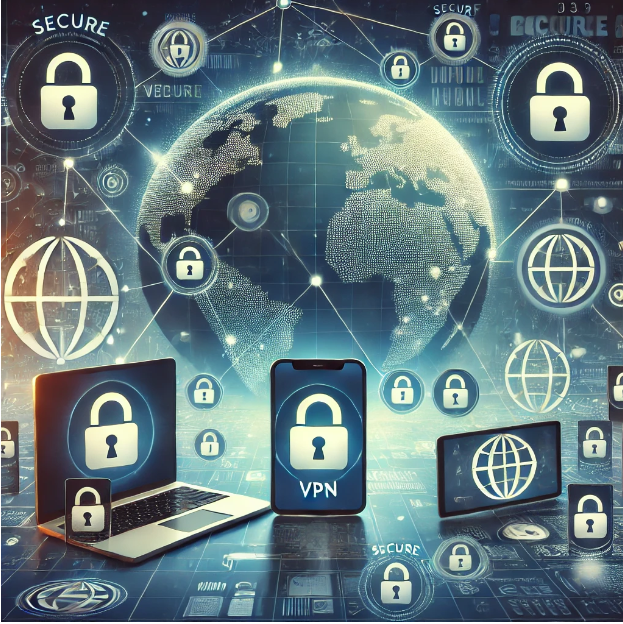
Virtual Private Networks (VPNs) have become increasingly essential tools for internet users around the world. A VPN provides a secure, encrypted connection over a less secure network, such as the internet. This technology ensures that sensitive data is transmitted safely and protects users’ privacy by masking their IP addresses. In some countries, VPNs are not just useful but necessary to bypass censorship and access information freely.
Why VPNs Are Used
VPNs serve multiple purposes, catering to a diverse range of users. Primarily, they are used to enhance security and privacy online. By encrypting internet traffic, VPNs protect data from hackers, especially when using public Wi-Fi networks. They also allow users to access geo-restricted content, enabling them to enjoy streaming services or websites unavailable in their region. For businesses, VPNs are crucial in securing remote access to corporate networks, ensuring that sensitive business information remains protected.
According to a report by GlobalWebIndex, 31% of internet users worldwide use a VPN. This statistic underscores the growing awareness and demand for online privacy and security.
VPNs in Countries with Censorship
In some countries, VPNs are indispensable for accessing information and communicating freely. Governments in these regions often impose strict internet censorship, blocking access to social media, news sites, and other online resources. VPNs enable users to bypass these restrictions by routing their connection through servers in different locations, making it appear as though they are accessing the internet from a more open country.
Necessity of VPNs in Censored Regions
Countries like China, Iran, and Russia have stringent internet controls, and VPNs provide a lifeline for residents and expatriates seeking unrestricted access to information. In China, for example, the Great Firewall blocks popular sites like Google, Facebook, and Twitter. Using a VPN allows users to circumvent these blocks and engage with the global online community.
VPNs for Different Purposes
Not all VPNs are created equal, and different users may require different types of VPNs depending on their specific needs. For instance, some VPNs are optimized for speed and are better suited for streaming content, while others offer stronger encryption for enhanced security.
Specialized VPNs for Various Devices
Choosing the right VPN also depends on the device being used. For example, there are VPNs specifically designed for iPhones that offer better compatibility and performance on iOS devices. These VPNs typically provide easy-to-use apps that integrate seamlessly with the iPhone’s operating system, ensuring a smooth user experience.
VPNs in the Corporate World
Beyond individual use, VPNs are integral to the corporate world. Businesses, especially those with remote workforces, rely on VPNs to ensure secure access to their internal networks. This secure connection allows employees to access company resources, such as files and applications, as if they were in the office, without compromising security. VPNs help protect sensitive business data from potential breaches, especially when employees connect from public or unsecured networks.
Advantages for Businesses
Implementing a VPN in a corporate environment also helps in maintaining compliance with data protection regulations. Industries such as finance and healthcare, which handle sensitive personal information, must adhere to strict regulatory requirements. A VPN can provide an additional layer of security to ensure that data transmission is secure and compliant with laws like GDPR and HIPAA. According to a report by Market Research Future, the corporate VPN market is projected to reach $8.5 billion by 2023, indicating its growing importance in business operations.
The Future of VPN Technology
As cyber threats become more sophisticated, VPN technology continues to evolve to meet new challenges. Future advancements in VPNs are likely to focus on enhancing security features, improving speed and performance, and integrating with emerging technologies like 5G and the Internet of Things (IoT). The rise of quantum computing also poses potential threats to current encryption standards, prompting VPN providers to explore quantum-resistant encryption methods to stay ahead of future security challenges.
Emerging Trends in VPN Technology
One emerging trend is the development of VPNs with built-in artificial intelligence (AI) capabilities. These AI-driven VPNs can dynamically adjust security protocols based on real-time threat analysis, providing users with an adaptive and robust security solution. Additionally, the integration of blockchain technology in VPNs is being explored to offer decentralized and more secure networks. As the demand for privacy and security grows, these advancements will play a crucial role in shaping the future of VPN technology and its applications.
By staying informed about the latest trends and developments in VPN technology, users and businesses can make better decisions about their security needs and ensure they remain protected in an increasingly digital world.
4o
Potential Misuse of VPNs
While VPNs are primarily used for legitimate purposes, they can also be exploited by individuals with malicious intent. One such misuse is click fraud, where fraudsters use VPNs to mask their IP addresses and generate fake clicks on online ads. This deceptive practice inflates advertising costs for businesses without providing any real engagement or value.
VPNs and Click Fraud
Click fraud can have significant financial implications for businesses that rely on online advertising. By using VPNs to disguise their location and identity, fraudsters can bypass detection mechanisms, making it challenging to trace and prevent fraudulent activities. According to a report by Juniper Research, click fraud is expected to cost advertisers $44 billion by 2022. This highlights the need for businesses to be vigilant and implement robust anti-fraud measures alongside their VPN usage.
How to Choose a Good VPN Provider
Selecting a reliable VPN provider is crucial for ensuring security and performance. With numerous options available, it’s essential to consider several factors before making a decision.
Criteria for Choosing a VPN Provider
To help you choose the right VPN provider, consider the following factors:
| Criteria | Description |
| Security Features | Look for strong encryption, no-logs policy, and kill switch |
| Speed and Performance | Choose a provider known for fast and stable connections |
| Server Locations | Ensure a wide range of server locations for flexibility |
| Compatibility | Verify compatibility with your devices and operating systems |
| Customer Support | Check for responsive and helpful customer support |
| Price and Value | Compare pricing plans and features for the best value |
It’s also beneficial to read reviews and testimonials from other users to gauge the provider’s reputation and reliability.
Conclusion
VPNs play a vital role in enhancing online privacy and security, providing unrestricted access to information, and protecting data from cyber threats. While they are essential tools for legitimate users, they can also be misused by individuals with malicious intent. Understanding the different types of VPNs and choosing a reputable provider can help users maximize the benefits of VPN technology while minimizing potential risks. As the digital landscape continues to evolve, the importance of VPNs in safeguarding online activities will only grow, making them indispensable tools for internet users worldwide.
