

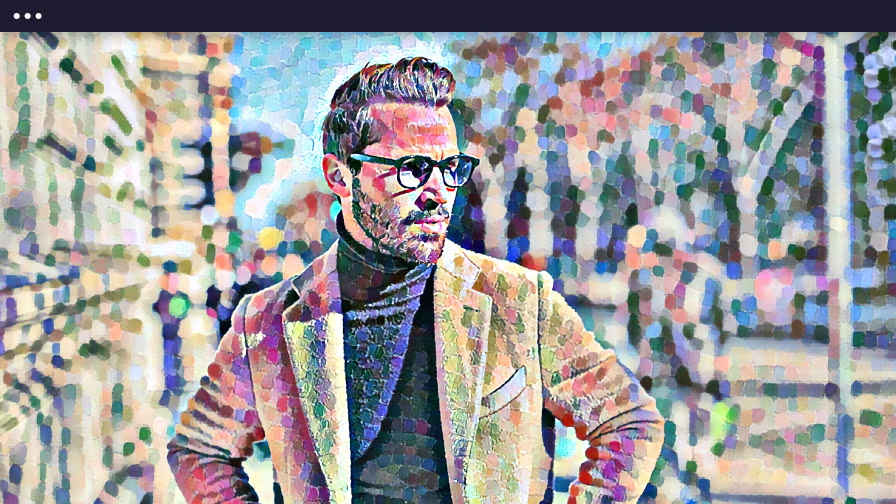
Photography captures moments as they are, while painting breathes new life into those moments, adding layers of creativity and emotion. But what if you could merge the two? Turning your photos into paintings is not just a trend; it’s an art form that brings a unique and personal touch to your favorite images. This blog post is designed to guide you through various painting techniques and tips to help you transform your painting of photos into awe-inspiring pieces of art. Whether you’re an aspiring artist or someone looking to add a personal touch to your home decor, this guide has something for everyone.
The Magic of Photo-to-Art Transformation
Why Turn Photos into Paintings?
Photos capture reality, but paintings capture the soul. Turning a photo into a painting allows you to emphasize certain elements, add artistic flair, and create a piece that resonates on a deeper level. This transformation not only enhances the visual appeal of the image but also imbues it with emotion and meaning.
Benefits of Transforming Photos into Paintings
Creating a painting from a photo offers several benefits. Firstly, it provides a creative outlet, allowing you to experiment with different techniques and styles. Secondly, it makes for personalized and meaningful artwork that can be cherished for years. Lastly, it can be a therapeutic process, helping you to relax and focus.
What to Expect from This Guide
In this blog post, we will explore various painting techniques and tips to help you turn your photos into magnificent pieces of art. From choosing the right photo and materials to mastering different painting styles, we’ve got you covered. We’ll also share some practical tips to make the process smoother and more enjoyable.
Choosing the Perfect Photo
Selecting a Photo with Emotional Impact
The first step in transforming a photo into a painting is selecting the right image. Choose a photo that holds emotional significance and captures a moment you’d like to preserve. The emotional connection will drive your creativity and make the painting more meaningful.
Considering Composition and Lighting
Pay attention to the composition and lighting of the photo. A well-composed image with good lighting will make the painting process easier and more enjoyable. Look for photos with clear focal points, balanced elements, and natural lighting to achieve the best results.
Editing the Photo for Artistic Effect
Before you start painting, consider editing the photo to enhance its artistic appeal. Adjust the contrast, brightness, and saturation to highlight key elements and add depth. You can also use an image editor to apply filters or effects that give the photo a more painterly look, making it easier to translate into a painting.
Gathering Essential Materials
Choosing the Right Painting Medium
Different painting mediums offer unique advantages and challenges. Whether you prefer oils, acrylics, watercolors, or digital painting, each medium has its characteristics. Choose a medium that suits your style and the effect you want to achieve.
Selecting Quality Brushes and Tools
Investing in high-quality brushes and tools can make a significant difference in your painting experience. Choose brushes of various shapes and sizes to achieve different effects. Palette knives, sponges, and other tools can also add texture and depth to your painting.
Preparing Your Canvas or Surface
Prepare your canvas or painting surface by priming it with gesso, if necessary. This will create a smooth, even surface for your painting. Ensure that your workspace is clean and well-lit, and gather all your materials before you begin.
Mastering Basic Painting Techniques
Understanding Color Theory
A strong understanding of color theory is essential for creating harmonious and visually appealing paintings. Learn about primary, secondary, and tertiary colors, as well as complementary and analogous color schemes. Experiment with blending and mixing colors to achieve the desired effect.
Practicing Brush Strokes
Different brush strokes can create various textures and effects in your painting. Practice basic strokes, such as dabbing, stippling, and cross-hatching, to build your skills. Experiment with different brush pressures and angles to create dynamic and interesting textures.
Layering and Blending Colors
Layering and blending colors can add depth and dimension to your painting. Start with an underpainting to establish the basic shapes and values, then gradually build up layers of color. Use glazing techniques to create smooth transitions and blend colors seamlessly.
Exploring Advanced Painting Techniques
Creating Textures with Impasto
Impasto is a technique that involves applying thick layers of paint to create texture and depth. Use a palette knife or a thick brush to apply the paint in bold, expressive strokes. This technique can add a tactile, three-dimensional quality to your painting.
Using Glazing for Depth and Transparency
Glazing involves applying thin, transparent layers of paint over a dry base layer to create depth and luminosity. This technique is particularly effective for creating realistic textures and adding subtle color variations. Experiment with different glazing mediums to achieve the desired effect.
Incorporating Mixed Media Elements
Incorporating mixed media elements can add interest and complexity to your painting. Combine traditional painting techniques with collage, drawing, or digital elements to create a unique and layered composition. Experiment with different materials and techniques to find your own style.
Adding Personal Touches
Infusing Your Style and Personality
Your painting should reflect your unique style and personality. Don’t be afraid to experiment and try new techniques. Add personal touches, such as signatures, symbols, or patterns, to make the painting truly your own.
Creating a Signature Color Palette
Developing a signature color palette can give your paintings a cohesive and recognizable look. Choose colors that resonate with you and complement your subject matter. Experiment with different combinations to create a palette that reflects your style.
Customizing Frames and Display Options
Choose a frame that complements your painting and enhances its overall presentation. Experiment with different frame styles and materials to find the perfect match. Consider custom framing options to create a professional and polished look.
Showcasing Your Artwork
Photographing Your Finished Piece
Take high-quality photographs of your finished painting to showcase your work online or in print. Use natural lighting and a neutral background to highlight the colors and details of your painting. Edit the photos to ensure accurate color representation.
Creating an Online Portfolio
An online portfolio is a great way to showcase your artwork and reach a wider audience. Use platforms like Instagram, Behance, or your own website to display your paintings. Include detailed descriptions and high-quality images to engage viewers.
Participating in Art Exhibitions
Participating in art exhibitions can provide valuable exposure and networking opportunities. Look for local or online exhibitions that align with your style and interests. Submit your work and be prepared to talk about your artistic process and inspiration.
Conclusion
Turning your photos into paintings is a rewarding and creative process that allows you to express your artistic vision. By following the techniques and tips outlined in this guide, you can create stunning pieces of art that capture the essence of your favorite moments. Remember, practice and experimentation are key to developing your skills and finding your unique style.
If you’re ready to take your painting to the next level, consider booking a session with one of our expert art instructors. They can provide personalized guidance and help you refine your technique. Happy painting!
