

Integrating music into children’s playtime offers numerous benefits that extend beyond simple entertainment. It can significantly enhance cognitive, emotional, social, physical, and creative development.
In Lafayette, Colorado, a community rich in music education, children have access to a variety of music programs that nurture these skills. This article explores how music can become the ultimate playtime activity for kids, focusing on the key areas of development.
Cognitive Benefits of Music
Music has a profound impact on cognitive development in children. Learning how to play an instrument, for example, engages multiple areas of the brain, enhancing memory, attention, and problem-solving skills. Studies have shown that children who participate in music education tend to perform better academically. For example, learning to read music and keep time strengthens math and reading abilities, as these activities require understanding fractions, patterns, and sequences.
Moreover, music stimulates both the left and right hemispheres of the brain, fostering creativity while simultaneously improving logical reasoning. Engaging in musical activities like learning an instrument or understanding musical theory helps children develop their cognitive skills more robustly. These cognitive benefits are not just limited to academic performance; they also contribute to better overall brain development and function.
Emotional and Social Growth
Music plays a vital role in the emotional and social growth of children. It provides a healthy outlet for expressing emotions and can help children understand and manage their feelings. Singing or playing an instrument can be therapeutic, allowing children to channel their emotions creatively and constructively.
Group music activities, such as choir or band, foster essential social skills. Children learn to work as a team, listen to others, and coordinate their efforts toward a common goal. This teamwork builds empathy, communication skills, and a sense of community. For parents looking for music lessons and classes for all ages in Lafayette, Colorado, there are numerous options available that foster emotional and social development. These programs not only teach children how to make music but also help them build lasting friendships and develop a sense of belonging.
Physical Development through Music
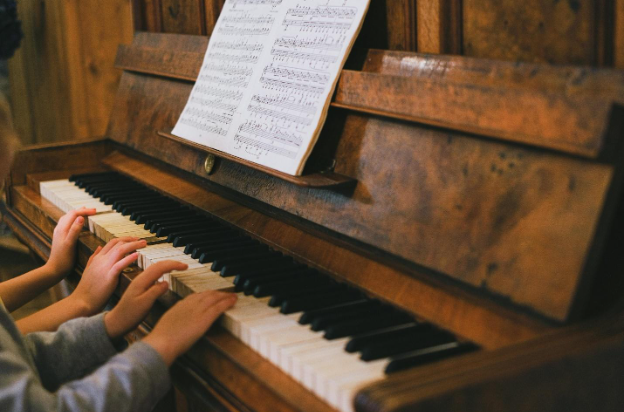
Engaging in music activities can significantly enhance a child’s physical development. Playing musical instruments, for instance, improves fine motor skills as children learn to coordinate their hands, eyes, and mind to produce sound. Instruments like the piano or guitar require precise finger movements, which can enhance hand-eye coordination and dexterity.
Moreover, music encourages movement, which is beneficial for overall physical development. Dancing to music, for example, helps improve gross motor skills, balance, and coordination. Activities that combine music and movement, such as rhythm games or dance routines, can also promote physical fitness and a healthy lifestyle.
Music and movement activities are not only fun but also essential for developing physical skills that are critical during the early years of growth. Whether it’s clapping to the beat, tapping feet, or performing complex dance routines, the integration of music and physical activity promotes a well-rounded development.
Creativity and Imagination
Music is a powerful tool for nurturing creativity and imagination in children. It encourages them to think outside the box, experiment with sounds, and create something unique. Engaging in musical activities stimulates the imagination and helps children develop creative thinking skills.
Activities like songwriting, improvisation, and musical storytelling allow children to express themselves creatively. They learn to combine words, melodies, and rhythms in innovative ways, fostering a sense of originality and artistic expression. For instance, creating a song about a favorite story or character can enhance both creative writing and musical skills.
Long-term benefits of nurturing creativity through music include improved problem-solving abilities and greater adaptability. Creative thinking developed through music can translate into other areas of life, helping children become more innovative and resourceful individuals.
Building Confidence and Self-Esteem
Singing or learning to play a musical instrument can boost a child’s self-esteem and confidence. Completely mastering a musical skill requires constant practice and perseverance, and achieving milestones along the way provides a sense of accomplishment. Each new song learned or performance completed builds a child’s confidence in their abilities.
Positive reinforcement from teachers, peers, and family members further enhances self-esteem. Participating in recitals and performances allows children to showcase their talents, receive feedback, and feel proud of their achievements. This public recognition helps children develop a positive self-image and the confidence to take on new challenges.
Moreover, music provides a safe space for children to take risks and make mistakes. They learn that errors are part of the learning process and that persistence leads to improvement. This mindset can be incredibly empowering and beneficial in all areas of life.
Family Bonding through Music
Family bonding through music offers a unique opportunity for building stronger relationships and creating lasting memories. Participating in musical activities together can enhance communication and foster a sense of unity among family members. Simple activities such as singing songs, playing musical games, or even just listening to music together can be incredibly rewarding.
Families can engage in activities like family jam sessions, where each member plays an instrument or sings. These sessions not only provide entertainment but also encourage collaboration and understanding. For those who may not be musically inclined, attending music concerts or community events can also serve as a bonding experience. Sharing these experiences can create a sense of belonging and mutual enjoyment.
Moreover, family music time can introduce children to diverse musical genres and cultures, broadening their horizons. This exposure can spark curiosity and appreciation for different types of music, further enriching their cultural understanding. In essence, music becomes a shared language that brings families closer together, creating an environment of love, support, and joy.
To Sum It Up
Embracing music in children’s playtime opens up a world of benefits that go beyond mere entertainment. It supports various aspects of their development while providing joy and fostering creativity.
By integrating music into daily life and exploring educational opportunities, parents can create a rich and nurturing environment that helps children thrive. Encouraging musical exploration is an investment in their overall growth and well-being.
