

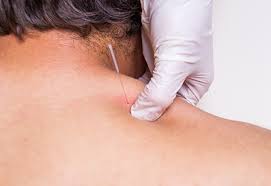
Dry needling is also described as using a fine needle to target myofascial trigger points. It is now commonly applied by physical therapists for neuromuscular pain and dysfunction. It entails the use of ultra thin monofilament needles to penetrate the skin at trigger points at muscular and connective tissue levels to relieve tight bands, alleviate pain, enhance function, and restore range of motion.
This technique is gaining acceptance quickly because of its efficiency; yet, more and more people go to their meetings without knowing what the strategy is or how it functions. A list of critical data that patients should consider before opting for dry needling is described in this article.
Contents
What is Dry Needling?
Dry needling, often called intramuscular stimulation or trigger point dry needling refers to the intends of placing a thin ‘dry’ needle into the skin and muscle directly at a trigger point. A trigger point can be defined as discrete, localized areas of exquisite tenderness within individual fibers in skeletal muscle that give pain.
It antagonizes Spasms, enhances circulation and reduces pain by affecting the tight muscular bands and inactivating the trigger points. The reviews also indicate that dry needling is not strictly acupuncture or injecting medications into the body. But you need to understand that it uses needles similar to those used in acupuncture but without any medication or injection.
Is Dry Needling Painful?
It should be noted that dry needling is usually not painful and most patients do not report pain during the procedure. The needles used are extremely thin, rigid, and naked, which makes it easy to impose on the skin’s surface. Small pain may be encountered during the needling, which is a brief and transient sensation.
In this context, proper methods by the provider effectivity reduce the discomfort that comes with this procedure. In certain delicate cases, especially for patients sensitive to pain, an application of an anesthetic cream may be made before the procedure.
What Conditions Can Dry Needling Help?
Dry needling can be effective for various neuromuscular and musculoskeletal conditions such as:
- Chronic neck, back and shoulder pain
- Headaches and migraines
- Jaw pain or TMJ dysfunction
- Elbow, wrist or hand pain
- Hip and knee pain
- Heel pain
- Muscle strains and joint sprains
- Myofascial pain syndrome
- Fibromyalgia
- Sports injuries
It helps relieve pain, loosen tight muscles, improve mobility of joints, decrease trigger points and restore muscular function.
What Are The Benefits of Dry Needling?
Some benefits of dry needling include:
- Immediate pain relief
- Reduced muscle tightness and trigger points
- Improved range of motion
- Enhanced blood flow and oxygenation
- Accelerated injury recovery
- Increased flexibility
- Normalized musculoskeletal imbalance
- Restored muscular function
Moreover, it is safe when performed by trained physical therapists and often augments the results of manual therapy and therapeutic exercise.
What To Expect During a Session?
- Initial assessment – The physical therapist will evaluate to identify problem areas and trigger points.
- Needle insertion – Thin monofilament needles are inserted into the skin targeting the trigger points. This may reproduce the patient’s pain temporarily.
- Needling – The needles are manipulated depending on the patient’s response to elicit a twitch response in the muscle fiber. This helps release it.
- Session length – Sessions average 30-60 minutes depending on the size of the Physical Therapy Woodstock area and number of trigger points.
- Number of sessions – This varies by individual but positive effects are often seen after 1-4 sessions.
- Post-treatment – Soreness is common after treatment and heat or ice packs may provide relief.
Is Dry Needling Safe?
When performed by trained physical therapists, Dry Needling Woodstock is very safe. Physical therapists receive extensive education in anatomy, needle handling skills, and safety standards.
Risks are rare but may include minor bleeding or bruising, soreness for a few days or temporary pain flare-up. More serious risks like pneumothorax are highly uncommon. Providers use single-use sterile needles and follow proper techniques to maximize safety.
When is it Not Recommended?
Dry needling should be avoided in patients with bleeding disorders, who are on blood thinners or have compromised immune function. Caution must also be taken in patients with nerve dysfunction or seizures. The provider should be informed about any medical conditions, medications or allergies before treatment. It is not recommended during pregnancy.
Conclusion
In summary, dry needling is an effective technique that benefits neuromuscular pain and dysfunction. It helps speed up injury recovery, reduce pain, improve mobility and restore function when performed by specially trained physical therapists like those at FYZICAL Woodstock (Trickum) in Woodstock (Trickum).
While it can be uncomfortable during the procedure, it is very safe when proper precautions are taken. If you are suffering from chronic neck, back or extremity pain, dry needling may help provide you the relief you need. Consult reputable clinics like FYZICAL Woodstock (Trickum) to see if it is right for your condition.
