

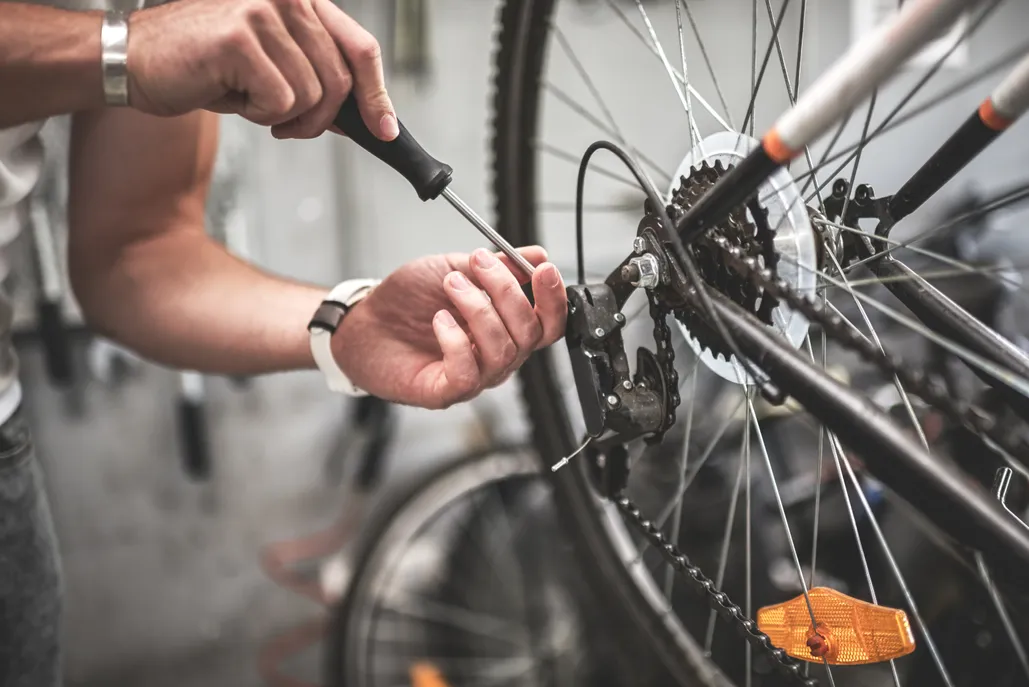
Maintaining your bike in top condition is key to extending its lifespan and ensuring your rides are safe and enjoyable. Whether you’re an avid cyclist or just getting into biking, learning how to care for your bike like a professional is essential. In this guide, we’ll go through the most important tips for keeping your bike in great shape, from basic cleaning routines to more advanced maintenance practices. We’ll also touch on essential protective measures, such as bike insurance, to keep your investment safe.
Keep Your Bike Clean Regularly
A clean bike performs better and lasts longer. Dirt, grime, and mud can get stuck in the gears, chain, and frame, which can cause wear over time. Make it a habit to clean your bike after each ride, especially if you’ve been riding in the rain or on muddy trails.
To clean your bike properly, use warm water and a mild bike-specific cleaner. Avoid harsh chemicals, as they can damage the paint or components. A soft brush works well for getting into tight spaces, and a microfiber cloth will help to dry everything off without leaving scratches.
A key part of the cleaning process is ensuring the drivetrain (the chain, cassette, and derailleurs) is free of dirt and debris. Keeping these components clean reduces friction and helps the bike run smoothly. Don’t forget to check for signs of wear, such as rust on the chain, and replace any worn parts when necessary. Regular cleaning is not just about looks; it plays a major role in keeping your bike in peak condition.
Check Tire Pressure Frequently
Maintaining the correct tire pressure is crucial for both comfort and performance. Properly inflated tires can make your ride smoother and help prevent flats. Many cyclists overlook this simple maintenance task, but it’s one of the easiest ways to extend the life of your tires and improve your bike’s efficiency.
Before each ride, check the recommended tire pressure, which is usually printed on the sidewall of the tire. Using a quality bike pump with a built-in gauge makes this task easier. If the pressure is too low, you risk getting a pinch flat, where the tube gets caught between the tire and rim. If the pressure is too high, the ride can feel rough, and the tire may wear out faster.
For road bikes, tire pressure can be as high as 110 psi, while mountain bikes typically run between 30-50 psi. Your tire pressure should also be adjusted based on the terrain and your body weight. Regularly checking your tire pressure can prevent costly repairs and keep your bike running efficiently.
Lubricate Your Chain and Moving Parts
Lubrication is one of the most important maintenance tasks, especially for the bike’s chain and other moving parts. A well-lubricated bike runs smoothly and quietly, while a dry or dirty chain can cause problems like increased wear, rust, and poor shifting performance. It also adds unnecessary friction, which can make your rides more difficult.
To lubricate your chain, first, clean it thoroughly using a degreaser to remove old grime. After the chain is dry, apply a lubricant designed specifically for bikes, such as a wet or dry lube, depending on the riding conditions. Wet lubes are ideal for wet or muddy conditions, while dry lubes work best in dry, dusty environments.
Be careful not to over-lubricate, as too much oil can attract dirt, leading to additional wear. A few drops on the chain, wiped off any excess with a cloth, will be enough. It’s also a good idea to lubricate other parts of the bike, such as the derailleurs, brake levers, and pedals, to keep everything running smoothly.
Protect Your Bike with Insurance
While regular maintenance can prevent many issues, accidents and theft are unpredictable. One way to safeguard your investment is by getting bike insurance. If you’re an e-bike owner, the best ebike insurance is especially important, as electric bikes tend to be more expensive and complex to repair than traditional bikes. Policies like those offered by Velosurance can cover not just theft but also damage, liability, and medical costs in case of an accident.
With the rising popularity of e-bikes, ensuring you’re fully covered can save you from significant losses. E-bike insurance is not a luxury, it’s a practical step to protect your expensive equipment from unforeseen events. A comprehensive insurance policy will offer peace of mind and ensure that your rides remain worry-free.
Inspect Your Brakes Regularly
Brakes are one of the most important safety features of any bike. Ensuring they are in top working condition should be a priority for every cyclist. Over time, brake pads wear down, and the cables can stretch, reducing their effectiveness. To maintain optimal braking performance, regular inspections are crucial.
Start by checking the brake pads. If you notice they are worn down to less than 1.5mm, it’s time to replace them. Worn-out brake pads can cause squealing noises and may lead to reduced stopping power, which can be dangerous. Also, ensure the brake pads are aligned correctly with the rim or disc, depending on the type of brakes you have, so they make full contact when engaged.
Next, test the brake levers. Pull the levers to check for resistance—if they feel too soft or the levers pull all the way to the handlebars, the cables might need adjusting or replacing. If you’re using hydraulic disc brakes, it’s also worth checking the fluid levels and bleeding the brakes if necessary.
Braking is your first line of defense on the road or trail, so staying on top of these small checks will make a huge difference to your riding safety.
Tighten Bolts and Fasteners
Over time, the various bolts and fasteners on your bike can loosen due to vibrations from riding. A quick check of all the bolts and screws can prevent serious issues down the line. Loose components not only reduce the performance of your bike but can also pose safety risks if parts shift or fall off during a ride.
Use a torque wrench to check all bolts, especially on critical parts like the stem, handlebars, seat post, and crank arms. Different parts of your bike require different levels of torque, so be sure to follow the manufacturer’s recommendations to avoid overtightening, which can cause damage.
Pay extra attention to the pedals, as they can become loose over time and affect your power transfer. Tightening your pedals regularly ensures you don’t lose efficiency while pedaling. Keeping your bolts and fasteners secure guarantees a smoother, more reliable ride.
Check and Adjust Your Gears
Properly functioning gears make a huge difference in how your bike handles, especially on long rides or hilly terrain. If you notice your bike isn’t shifting smoothly or is skipping gears, it’s time for some adjustments. Misaligned gears not only make riding difficult but can also cause excessive wear on your drivetrain.
Start by shifting through all your gears to see how the chain moves between the cogs. If the chain hesitates or jumps when shifting, it’s likely your derailleurs need adjustment. For minor issues, adjusting the barrel adjuster on the derailleur can often solve the problem by fine-tuning cable tension. If the issue persists, you may need to adjust the limit screws, which control how far the derailleur can move in either direction.
Regularly lubricating the derailleur and checking for wear on the chain and cassette will also improve your bike’s shifting performance. Keeping your gears in good shape makes for a smoother ride and helps to avoid unexpected issues on longer trips.
