

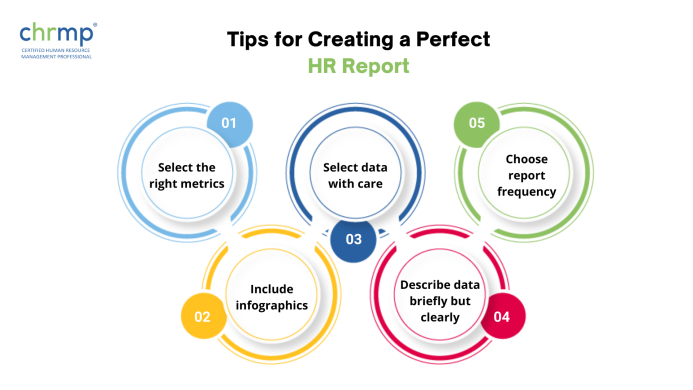
Selecting the right advanced HR reporting solution is crucial for businesses looking to optimize their human resources management. These sophisticated tools can provide valuable insights into workforce trends, improve decision-making, and streamline HR processes. However, with many options available in the market, choosing the most suitable solution can be challenging. Here are five essential tips to help you select an advanced advanced HR reporting solutions from WHS Monitor that best fits your organization’s needs.
- Assess Your Specific Reporting Needs
Before diving into the selection process, it’s important to clearly understand your organization’s specific HR reporting needs. Take time to identify the key metrics and data points that are most relevant to your business. Consider what types of reports you currently struggle to produce or what information would be most valuable for decision-making.
Make a list of must-have features and nice-to-have features. Think about both current needs and potential future requirements as your organization grows or changes. Involve different stakeholders in this process, including HR staff, department managers, and executives, to ensure you capture a comprehensive view of reporting needs across the organization.
- Evaluate Data Integration Capabilities
Advanced HR reporting solutions should be able to seamlessly integrate with your existing systems and data sources. Look for solutions that can easily connect with your current HR management system, payroll software, time and attendance tracking tools, and any other relevant databases.
Consider whether the solution offers pre-built integrations with popular HR and business software. If not, check if it provides robust API capabilities for custom integrations. The ability to pull data from multiple sources into a single reporting platform can greatly enhance the depth and accuracy of your HR reports.
- Look for User-Friendly Interfaces and Customization Options
The usability of the HR reporting solution is crucial for its successful adoption and ongoing use. Look for systems with intuitive, user-friendly interfaces that don’t require extensive technical knowledge to operate. The solution should allow users to easily create, modify, and run reports without relying heavily on IT support.
Customization options are also important. The best solutions offer flexibility in report design, allowing you to tailor reports to your specific needs. Look for features like drag-and-drop report builders, customizable dashboards, and the ability to save and share report templates. These features can help ensure that the solution adapts to your unique reporting requirements.
- Consider Advanced Analytics and Predictive Capabilities
In today’s data-driven business environment, advanced analytics and predictive capabilities can provide a significant advantage. Look for HR reporting solutions that offer more than just basic data aggregation and visualization. Advanced features might include trend analysis, predictive modeling, and AI-powered insights.
These capabilities can help you forecast future workforce needs, identify potential retention risks, or optimize recruitment strategies. While not all organizations may need the most advanced analytics features immediately, having these capabilities available can be valuable as your HR data analysis needs evolve.
- Prioritize Data Security and Compliance Features
Given the sensitive nature of HR data, security and compliance features should be a top priority when selecting an advanced HR reporting solution. Look for systems that offer robust data encryption, both for data in transit and at rest. The solution should have strong access controls, allowing you to set different permission levels for various users.
Additionally, ensure that the reporting solution helps you maintain compliance with relevant data protection regulations, such as GDPR or CCPA. Features like audit trails, data anonymization options, and built-in compliance reporting can be particularly valuable. If you’re considering a cloud-based solution, thoroughly review the provider’s security measures and certifications.
